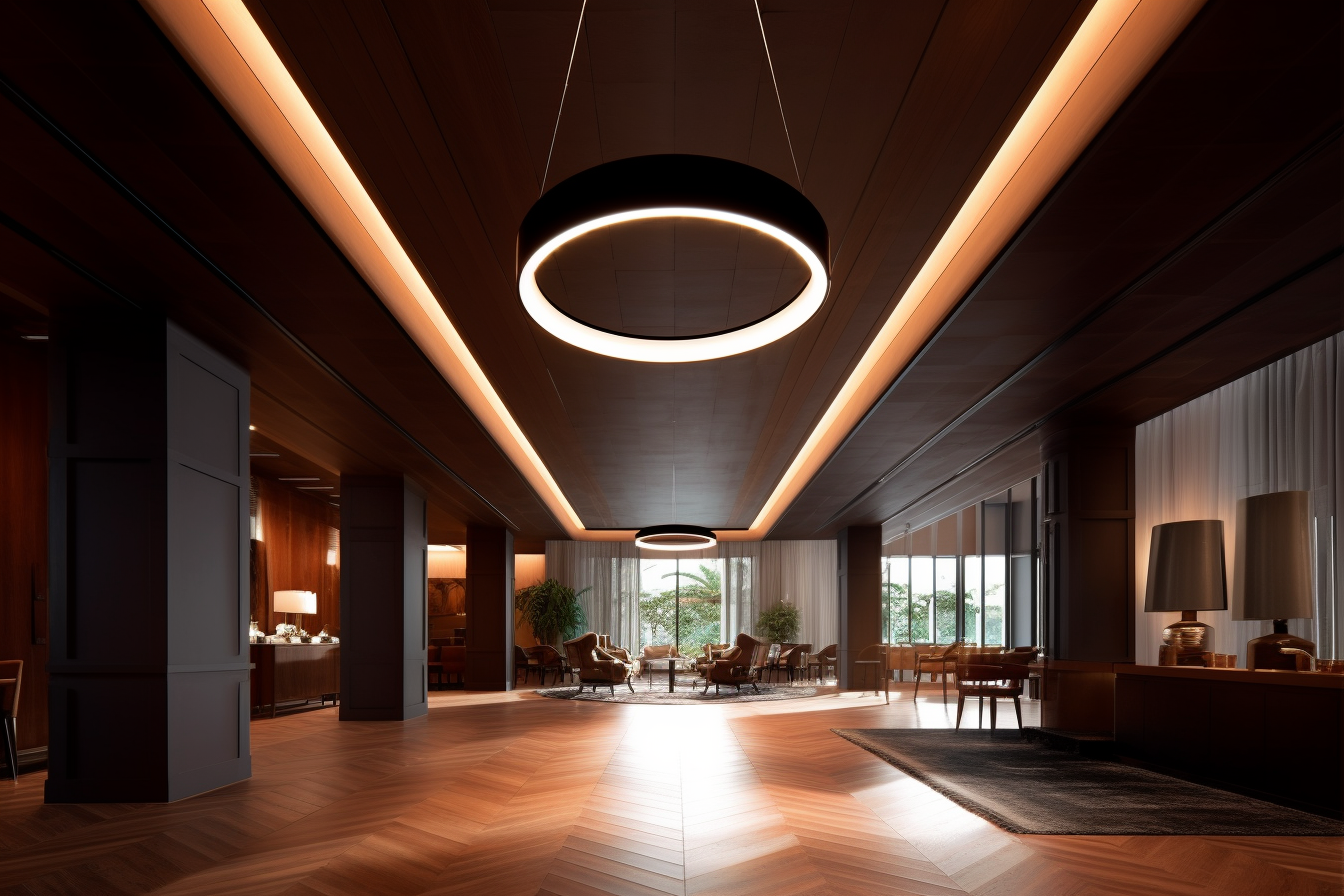
The Forgotten Sense in Hospitality Design
Walk into any luxury hotel and you'll notice the marble, the lighting, the scent. What you might not consciously register — but what profoundly shapes your experience — is the sound.
EHL Hospitality Insights (2025) reports that well-curated music selections increase guest satisfaction scores by up to 20%, directly impacting online reviews and repeat visit rates [1]. Hospitality Tech found that when music resonates with the target audience, dwell time in hotel common areas increases by 40% [2].
InterContinental Hotels Group was among the first major chains to recognize this. In 2009, they became the first hotel brand to develop a comprehensive sound strategy, with their leadership stating that "music is an integral part of the guest experience" [3].
The Restaurant Effect
The impact of music on dining behavior has been studied extensively, and the findings are striking.
A BMI/NRG study found that nearly 80% of diners would stay longer if good music was playing, with close to 60% stating they would buy more food and drinks to continue enjoying the atmosphere [4].
The academic evidence goes deeper. North, Shilcock, and Hargreaves (2003) demonstrated that classical music significantly increases customer spending in restaurants — not because diners order more items, but because the perceived quality of the environment leads them to choose higher-priced options [5].
More recent research published in Behavioral Sciences (2024) confirmed that slow-tempo music increases dining duration, while fast-tempo music accelerates turnover — giving restaurant operators a powerful tool for managing capacity and revenue per seat [6].
| Hospitality Metric | Impact of Strategic Music |
|---|---|
| Guest satisfaction scores | +20% (EHL Hospitality Insights) |
| Dwell time in hotel areas | +40% (Hospitality Tech) |
| Diners willing to stay longer | 80% (BMI/NRG) |
| Diners willing to spend more | 60% (BMI/NRG) |
| Sales increase in bars | +30% (Hospitality Tech) |
The Brand Consistency Challenge
For hotel and restaurant groups operating across multiple locations, there's an additional challenge: consistency.
A guest who experiences a carefully curated atmosphere at your flagship property expects the same sensory quality at every location. Yet most multi-property hospitality brands rely on local managers or third-party playlist services that deliver generic, one-size-fits-all solutions.
Recent research from Emerald Publishing (Kemp et al., 2026) demonstrates that sonic branding positively influences business travelers' decision-making — a critical segment for hotel brands where brand consistency directly impacts corporate contracts and loyalty program engagement [7].
The Licensing Complexity
Beyond the creative challenge, hospitality businesses face a labyrinth of music licensing requirements. In Italy, a restaurant playing background music needs:
- A SIAE license for copyright (diritto d'autore)
- Diritti connessi payments for neighboring rights
- A background music service subscription
- Compliance with volume and timing regulations
For a hotel with a lobby, restaurant, spa, and pool area, each zone may require separate licensing considerations. The administrative burden alone can be significant — and the penalties for non-compliance are real.
Designing Sound With Intention
The most forward-thinking hospitality brands are beginning to treat sound design with the same rigor they apply to interior architecture. They're asking: What should our brand sound like? How should the soundscape change from morning to evening? How do we maintain consistency across 50 or 500 locations?
These are the questions that separate memorable hospitality experiences from forgettable ones.
Sources
[1] EHL Hospitality Insights, "Music for Hotels: Elevate Your Brand & Guest Experience" (2025).
[2] Hospitality Tech, "From Legal Risk to Guest Loyalty: Rethinking Music in Hospitality" (2025).
[3] Jones, P., "A 'Sound Strategy' for Intercontinental Hotels," Tourism and Hospitality Research (2009).
[4] BMI/NRG Study, "Consumers Eat, Drink & Spend More When Listening to Music," reported by Restaurant Association Metropolitan Washington.
[5] North, A.C., Shilcock, A., & Hargreaves, D.J., "The Effect of Musical Style on Restaurant Customers' Spending," Environment and Behavior, 35(5), 712-718 (2003).
[6] Behavioral Sciences / PMC, "How Does Background Music Affect Dining Duration, Tips and Bill Amounts in Restaurants? A Field Experiment" (2024).
[7] Kemp, E., Zhang, X., Njeri, M., & Williams, K., "Sonic Branding in Hospitality Marketing," Tourism Review (2026).